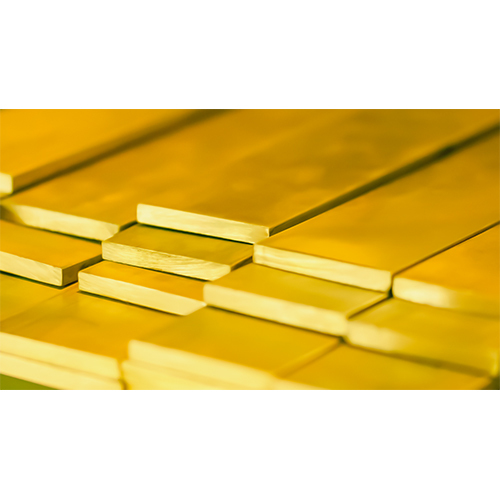
About 4170 Lead Free Brass
4170
IS 4170 is a lead-free material which is however quite suitable for machining Due to its structural constitution. IS 4170 can be therefore used as a cost-effective Replacement for conventional lead-containing machining brass provided that it must not meet high requirements as regards mechanical properties and corrosion Resistance
 Golden Yellow High-Performance Alloy
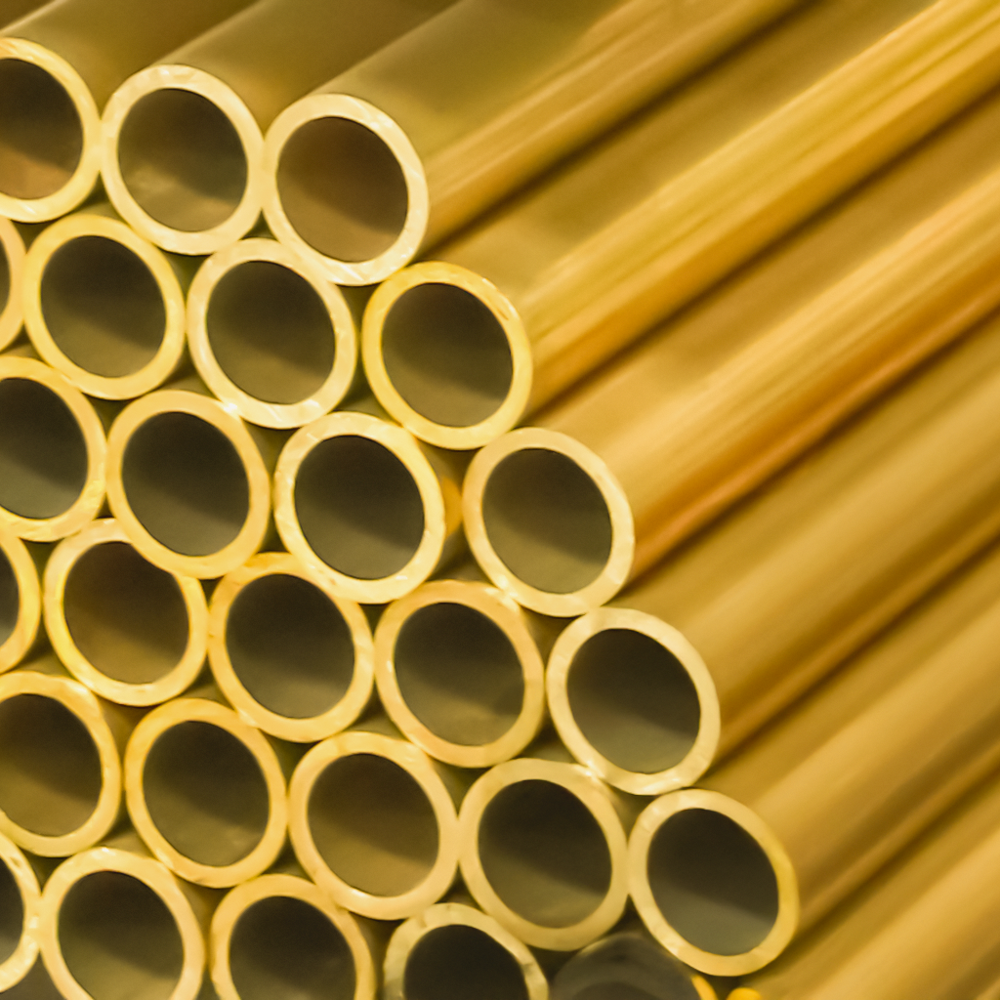
This lead-free brass alloy delivers a stunning golden yellow appearance with a bright, polished finish. Its excellent mechanical properties and customizable dimensions ensure suitability for a variety of demanding applications. High tensile strength and superior elongation make it robust for both structural and decorative uses.
Engineered for Safety and SustainabilityContaining minimal lead (less than 0.25%), this brass variant meets stringent safety standards for potable water and sanitary fittings. Its high corrosion resistance and absence of moisture enhance durability and product lifespan. Compliance with international standards assures reliable performance and sustainability.
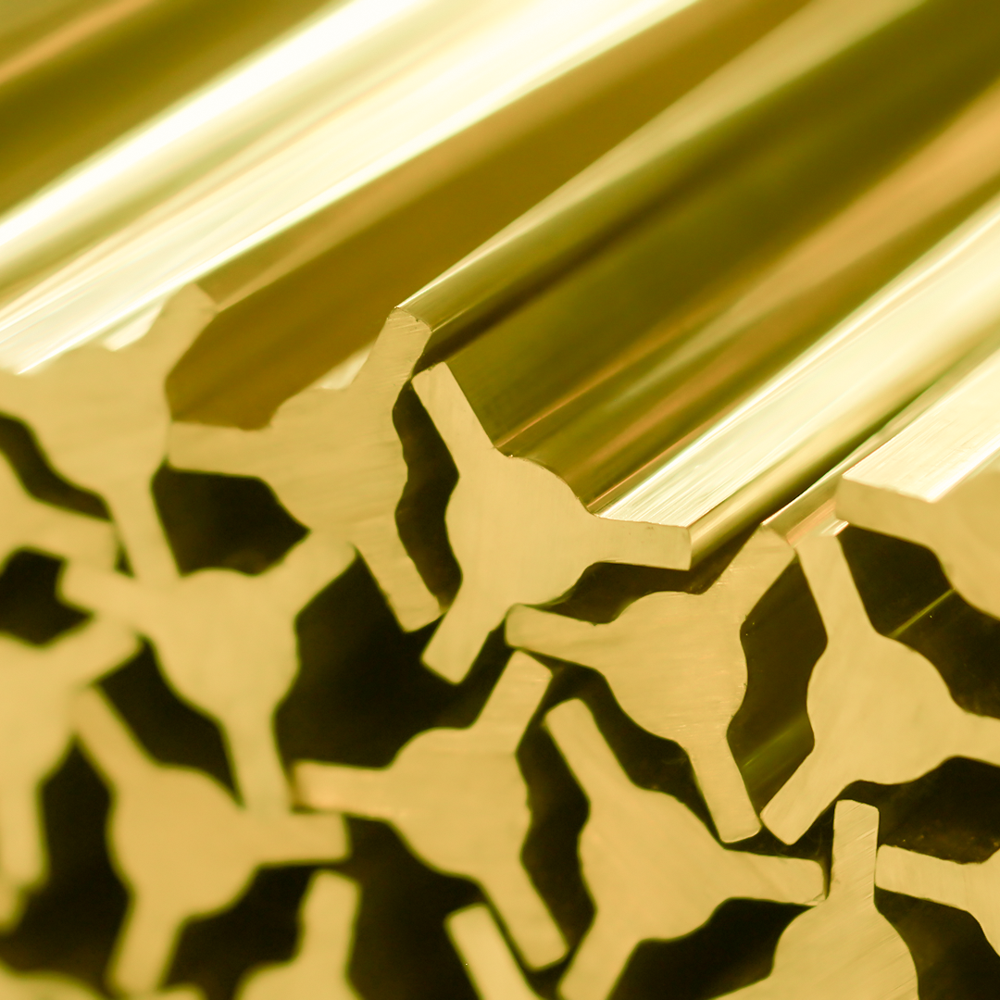
Versatile Applications Across IndustriesFrom sanitary fittings to precision electrical components and intricate engineering parts, this lead-free brass is a preferred choice for manufacturers. Its excellent machinability allows for efficient production of complex shapes, while custom packaging and dimensions cater to diverse industry requirements.
FAQ's of 4170 Lead Free Brass:
Q: How is 4170 Lead Free Brass customized to meet specific project requirements?
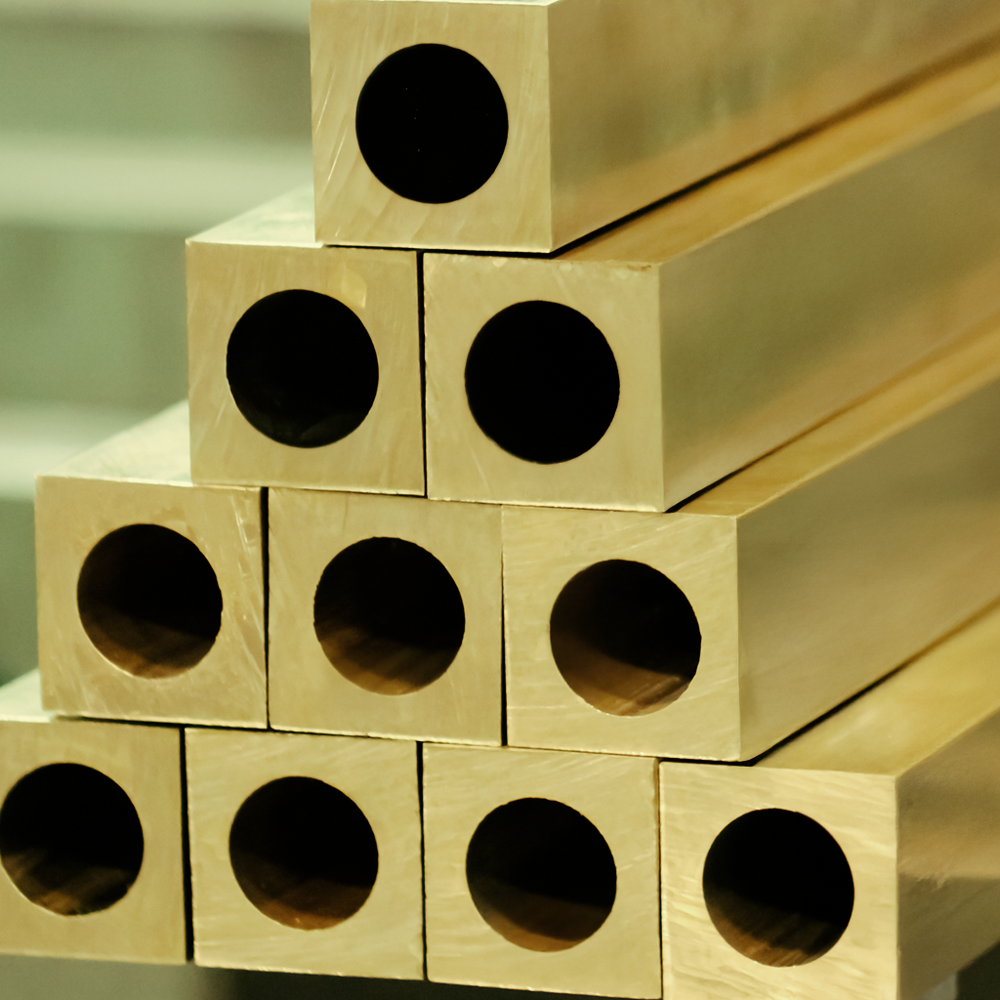
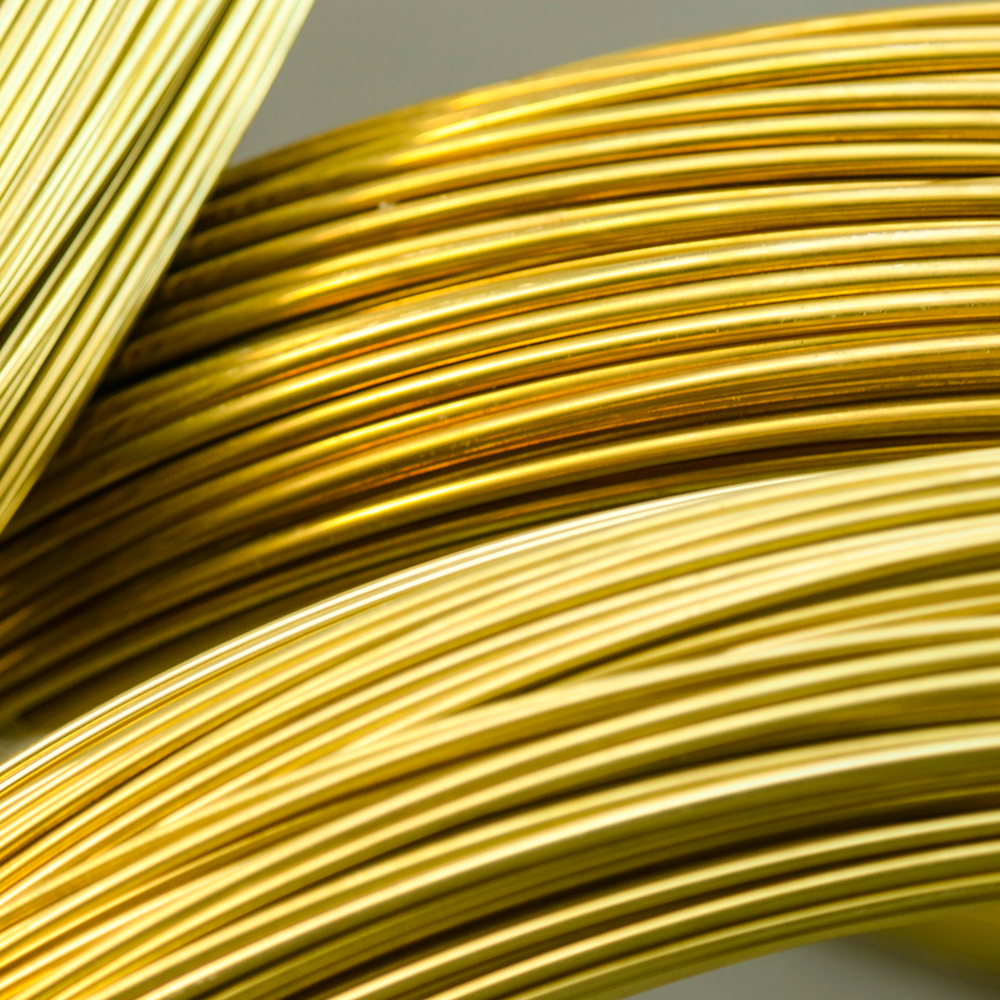
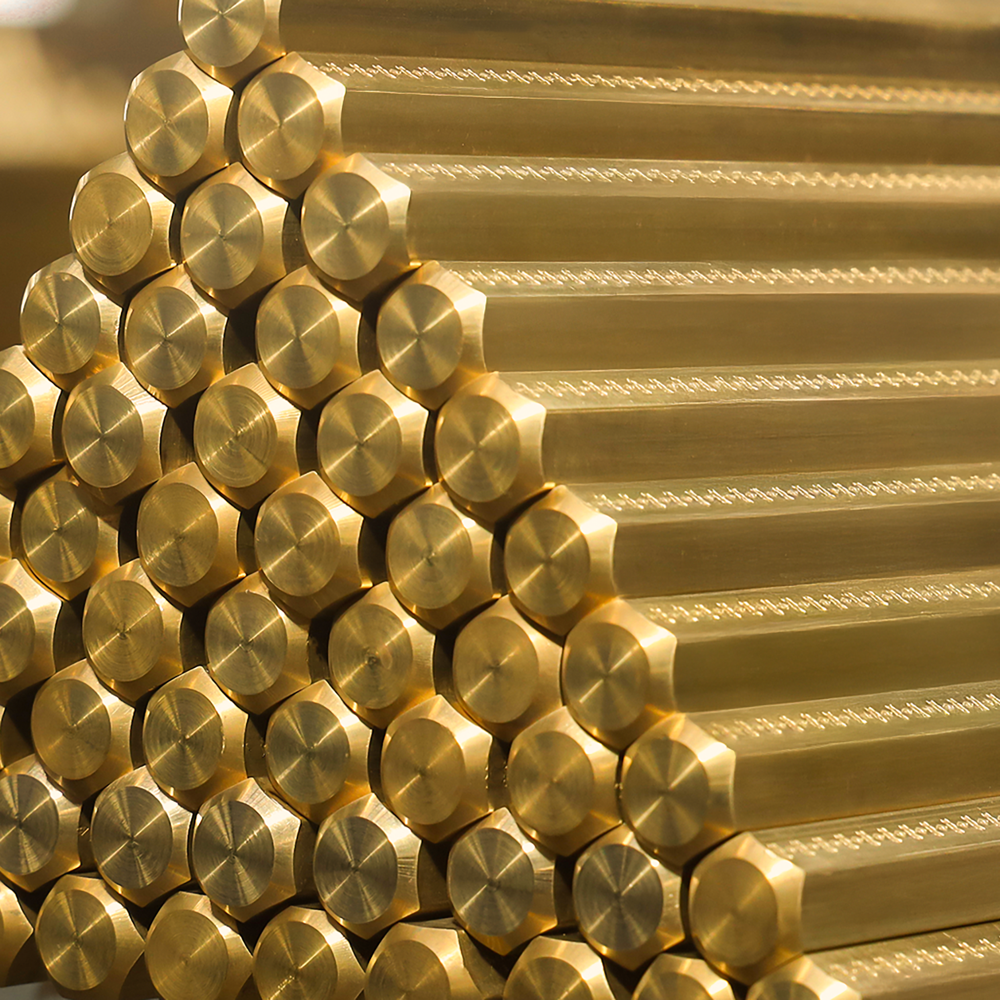
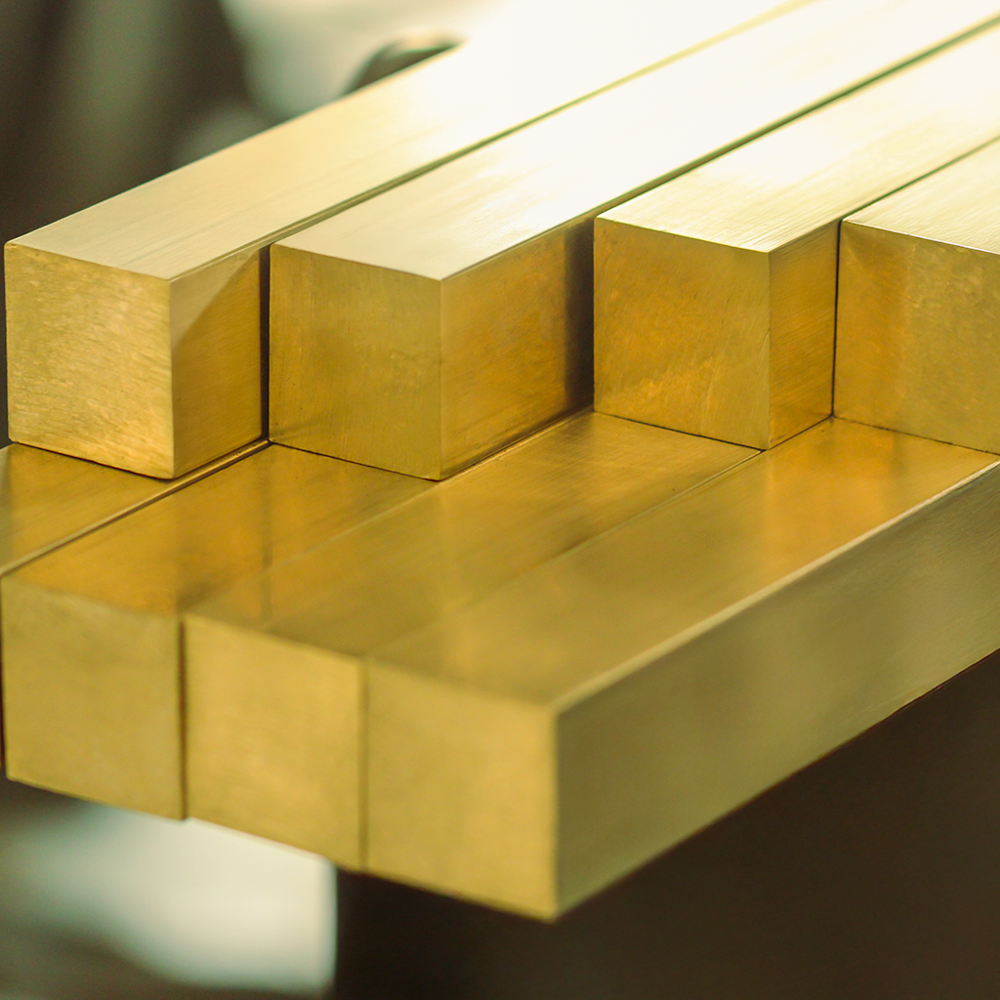
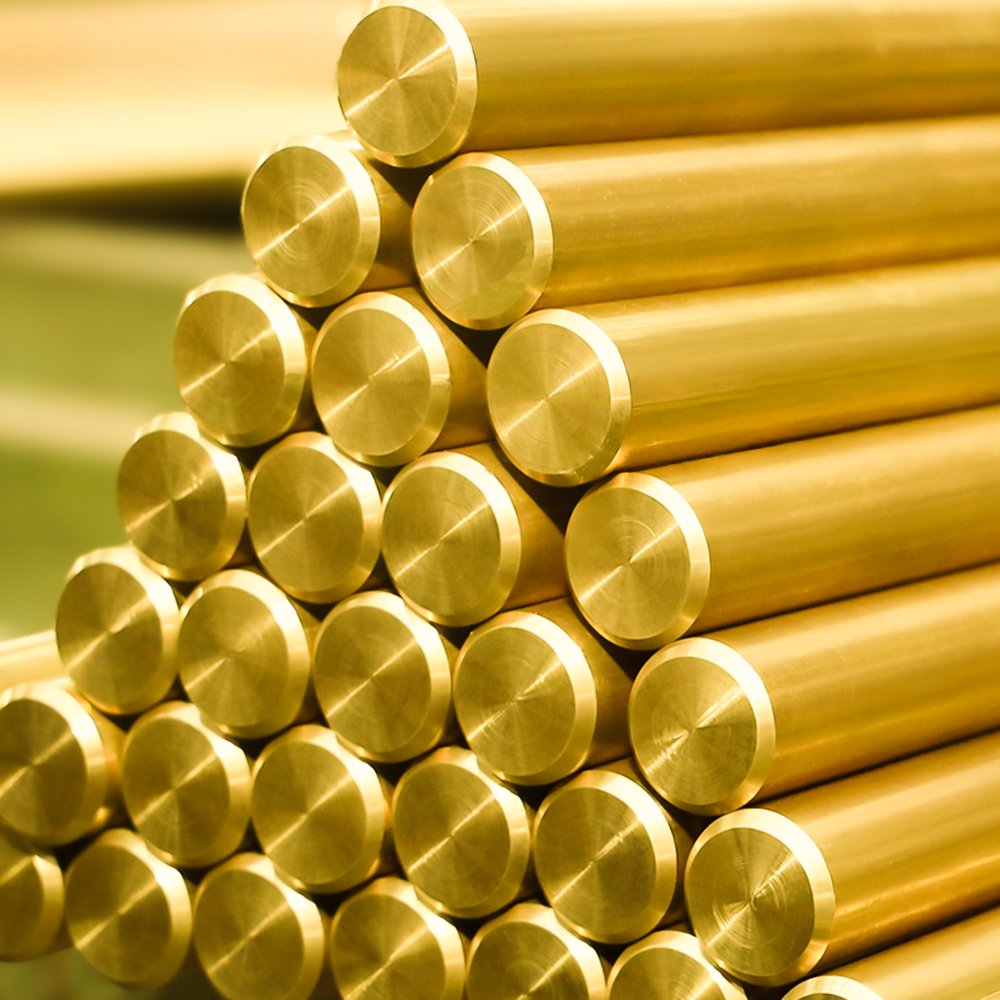
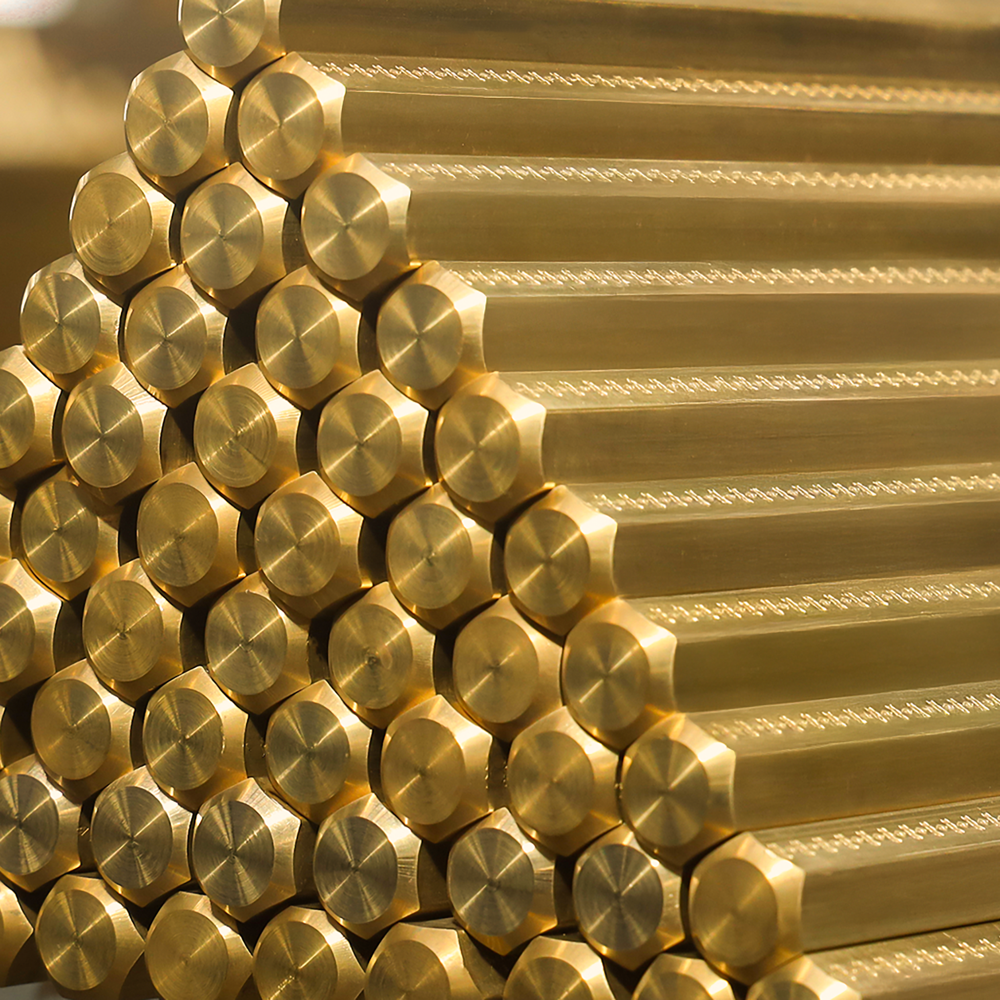
A: 4170 Lead Free Brass is available in bars, rods, and strips with customizable length, width, and height according to your specifications. Custom packing can also be provided based on your needs, ensuring optimal suitability for varied applications.
Q: What processes are involved in manufacturing this lead-free brass alloy?
A: This alloy is produced using advanced melting and forming techniques that strictly limit lead content while optimizing the proportions of copper and zinc. The finished product is carefully polished to achieve a bright, lustrous appearance and meets international standards such as IS 4170 and CW510L.
Q: When should you use 4170 Lead Free Brass over conventional brass alloys?
A: Opt for this lead-free variant when applications demand high corrosion resistance, excellent machinability, and compliance with lead regulations, such as in sanitary fittings, electrical components, and environments where lead exposure must be minimized.
Q: Where is 4170 Lead Free Brass commonly utilized?
A: It is commonly used in plumbing and sanitary fittings, electrical connectors, and various engineering components, especially where stringent safety and performance standards are required. Its aesthetic appeal also makes it a popular choice for decorative elements.
Q: What are the key benefits of using 4170 Lead Free Brass?
A: Key benefits include high corrosion resistance, excellent machinability, a bright golden color, compliance with safety standards, and superior mechanical properties. These features contribute to longer component life and easier manufacturing processes.
Q: How does the alloy's chemical composition impact its performance?
A: The precise balance of copper (61-63%) and zinc, with minimal lead and other impurities, enhances the material's strength, durability, and resistance to environmental factors. This ensures reliable performance in critical applications while maintaining safety.






 English
 Spanish
 French
 German
 Italian
 Chinese (Simplified)
 Japanese
 Korean
 Arabic
 Portuguese
 Send Inquiry
 Get Latest Price