About C3712 Leaded Brass
C3712
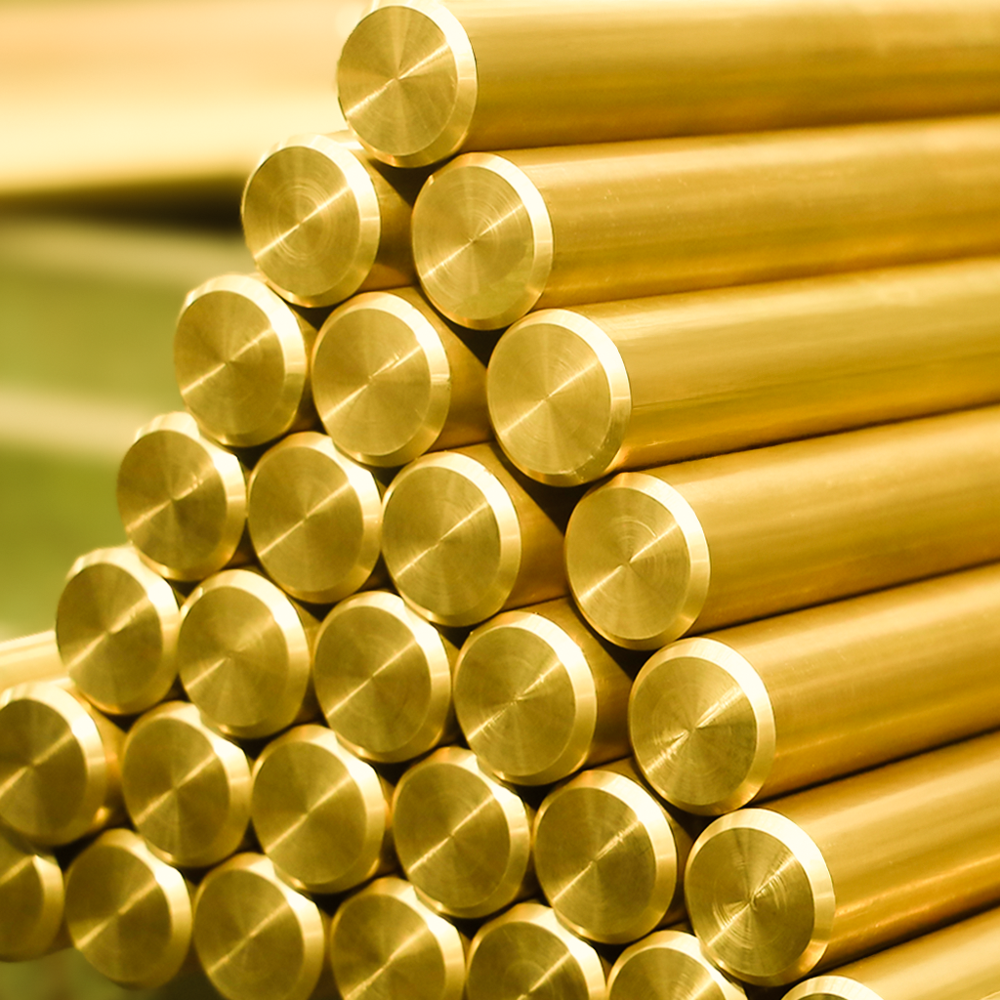
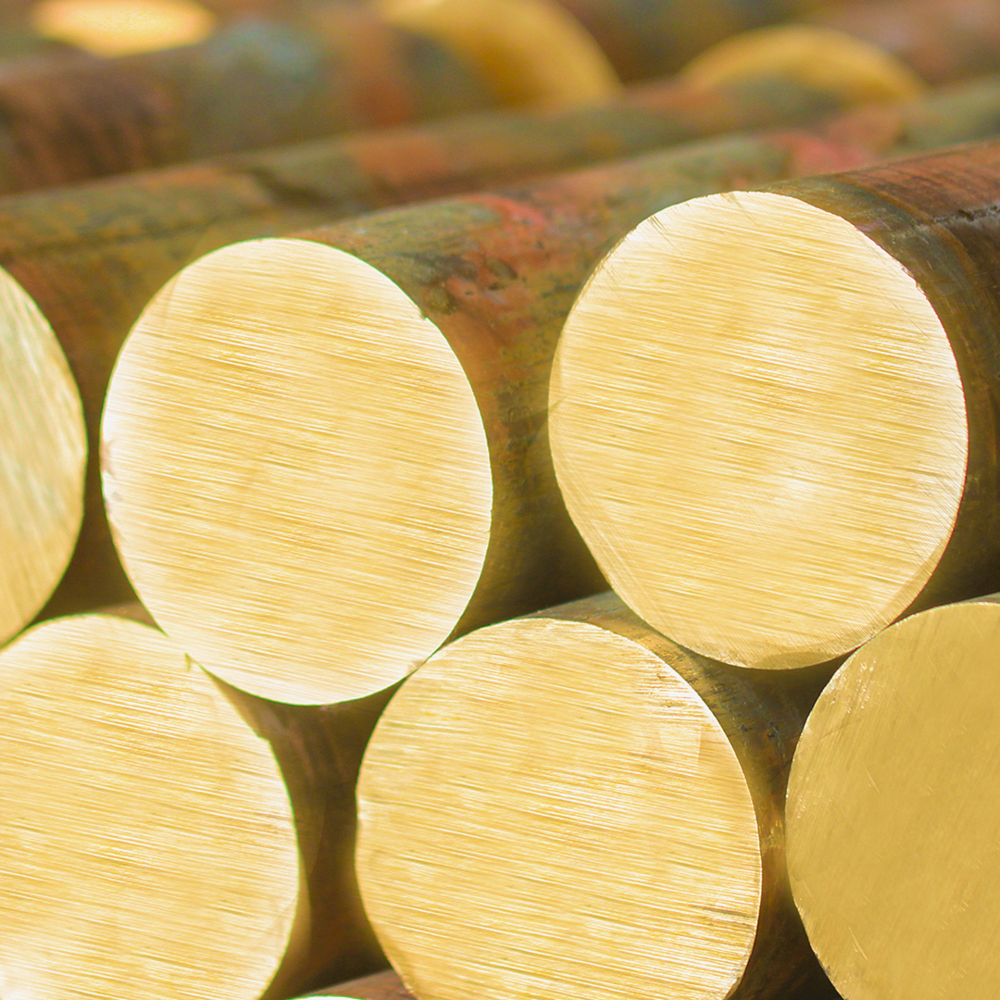
C3712, Engraving brass, are 60/40 alpha-beta brasses with different levels of lead added to give free machining properties. They are widely used for engraved plates and plaques, builders hardware, gears. They should not be used for acid etched work, for which the single-phase alpha brasses should be used.

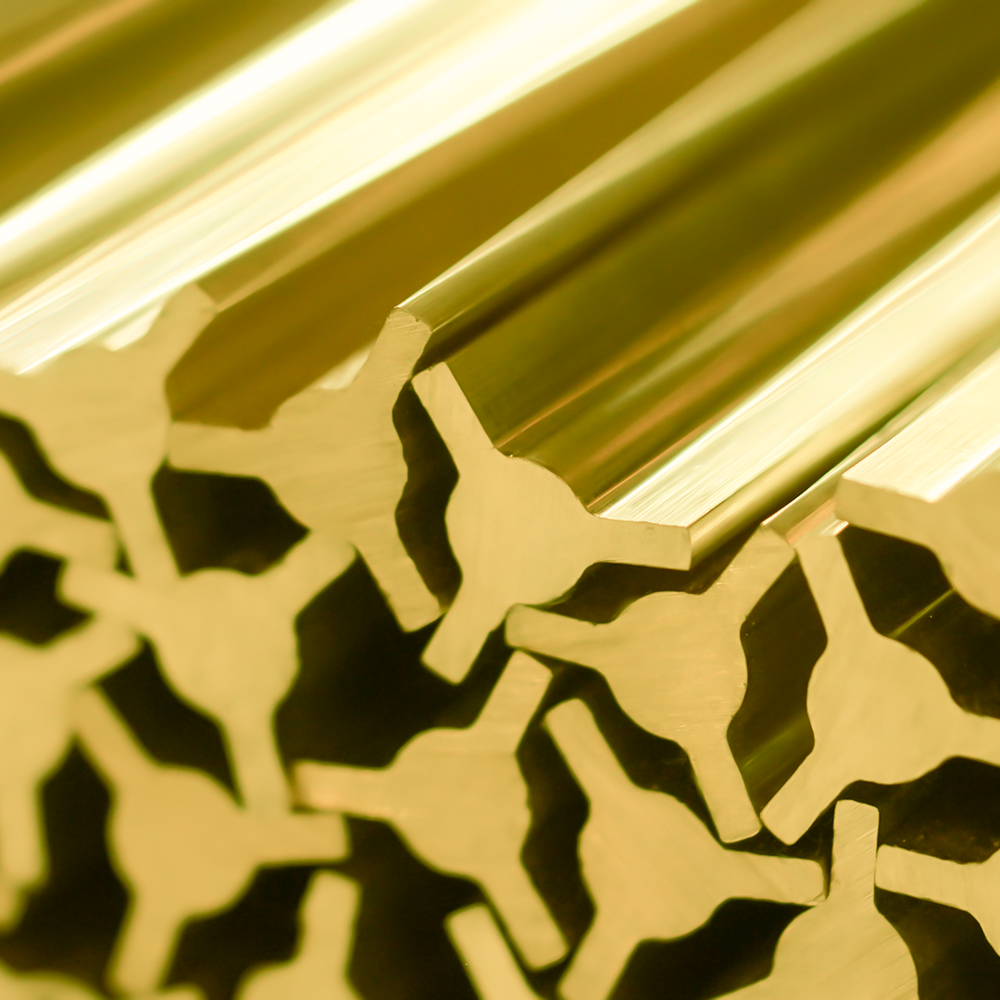
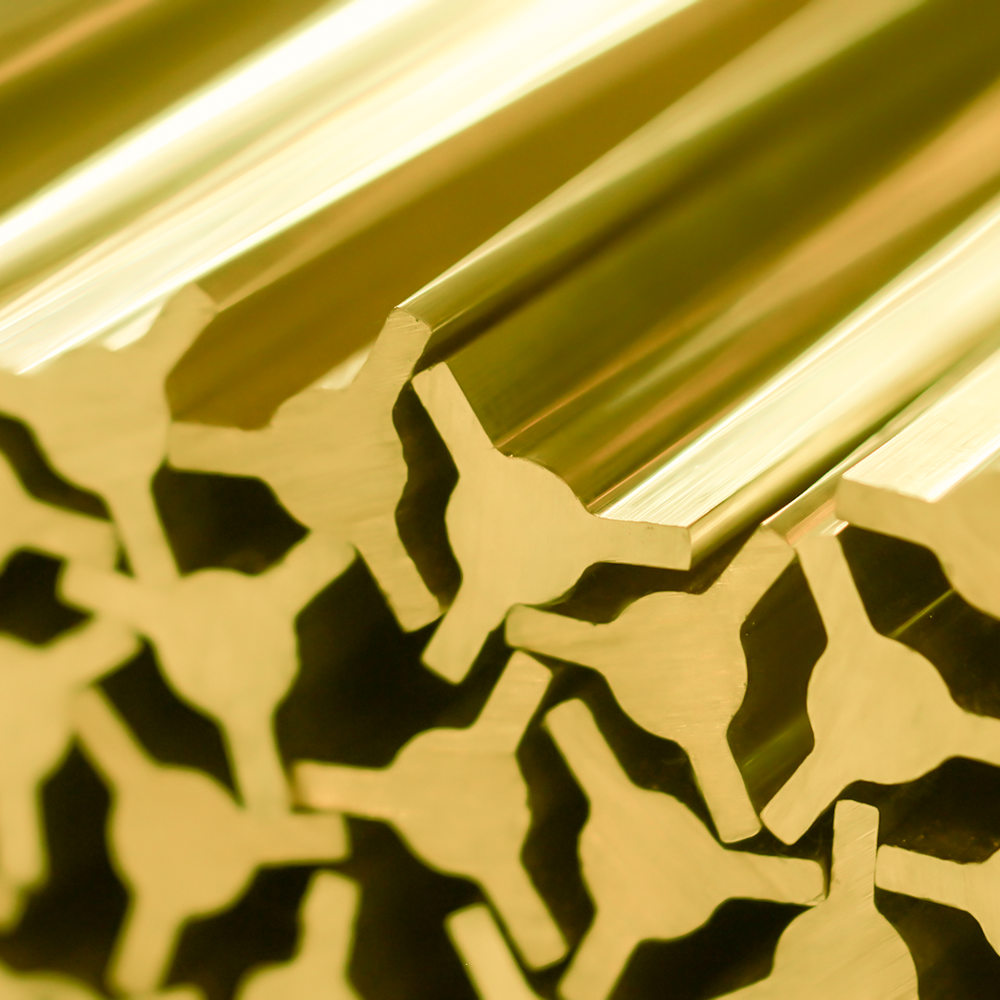
Applications and VersatilityC3712 Leaded Brass stands out for its adaptability across a spectrum of industries. Its superior machinability and workability make it preferred for precision turning, electrical components, automotive fasteners, and general industrial hardware. The alloy's customizable sizes and forms enable tailored solutions for both large-scale manufacturing and bespoke engineering needs.
Material Strength and CompositionEngineered with a copper content of 61-63% and balanced with zinc and controlled lead, C3712 achieves an optimal blend of strength and ductility. This composition delivers an alloy that can withstand demanding mechanical and thermal conditions while maintaining integrity and precision in finished components.
Manufacturing AssuranceEvery batch of C3712 Leaded Brass is produced with strict adherence to quality standards. Customers have the assurance of a manufacturing warranty with every order, ensuring dependable performance in demanding industrial applications. With the possibility of fully customized dimensions, weight, and particle size, customers receive exactly what their application requires.
FAQ's of C3712 Leaded Brass:
Q: How is C3712 Leaded Brass processed for industrial applications?
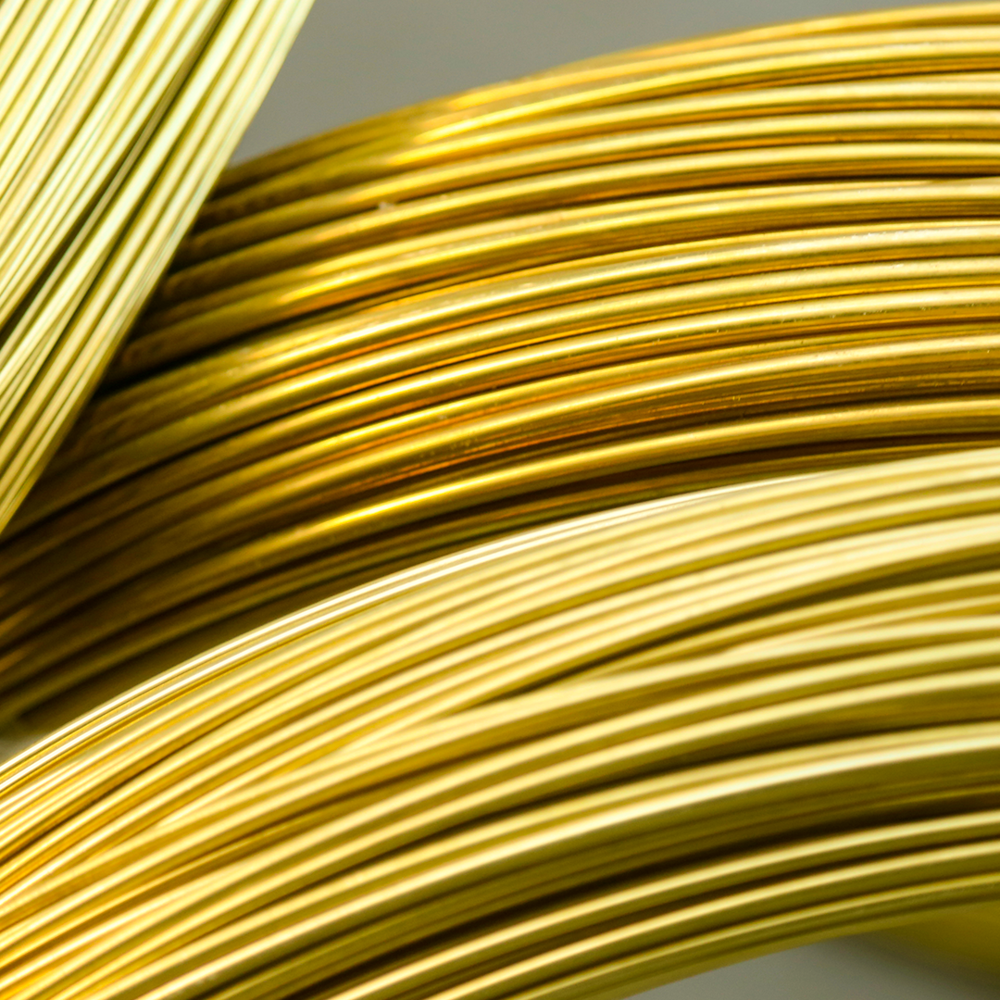
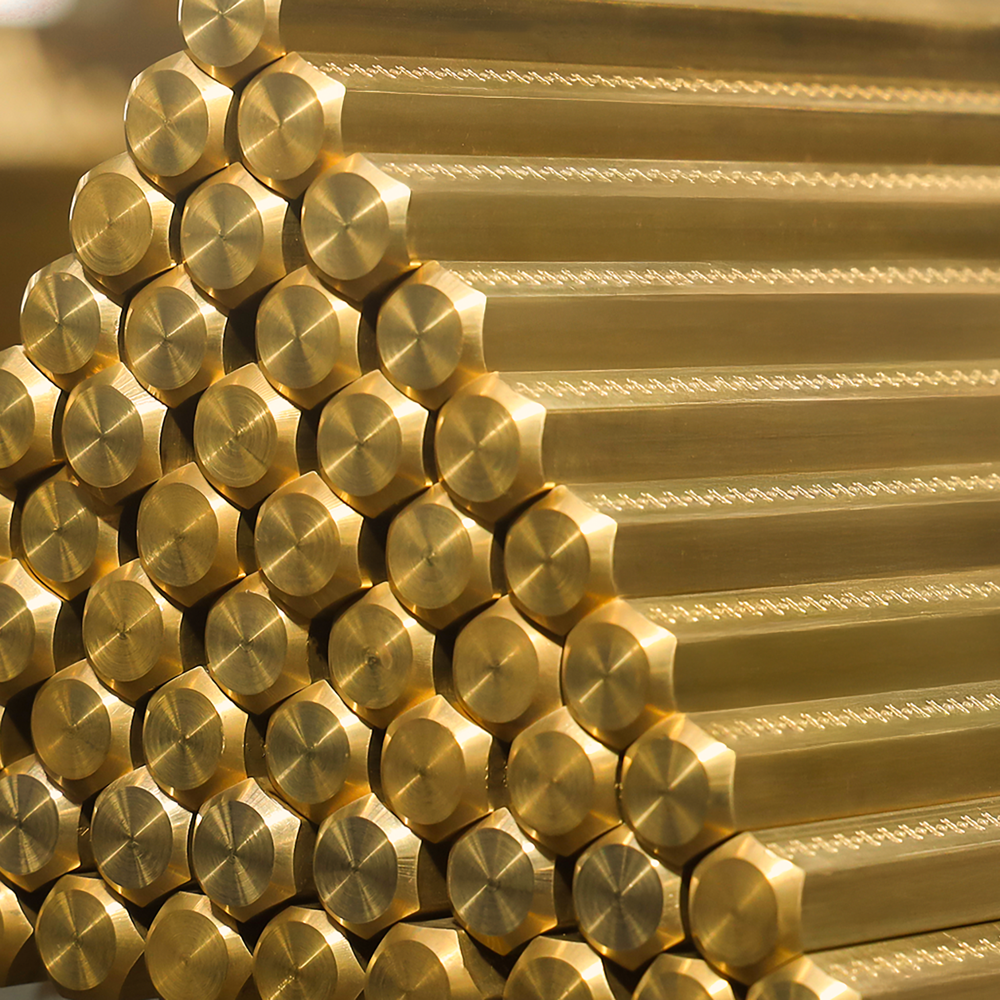
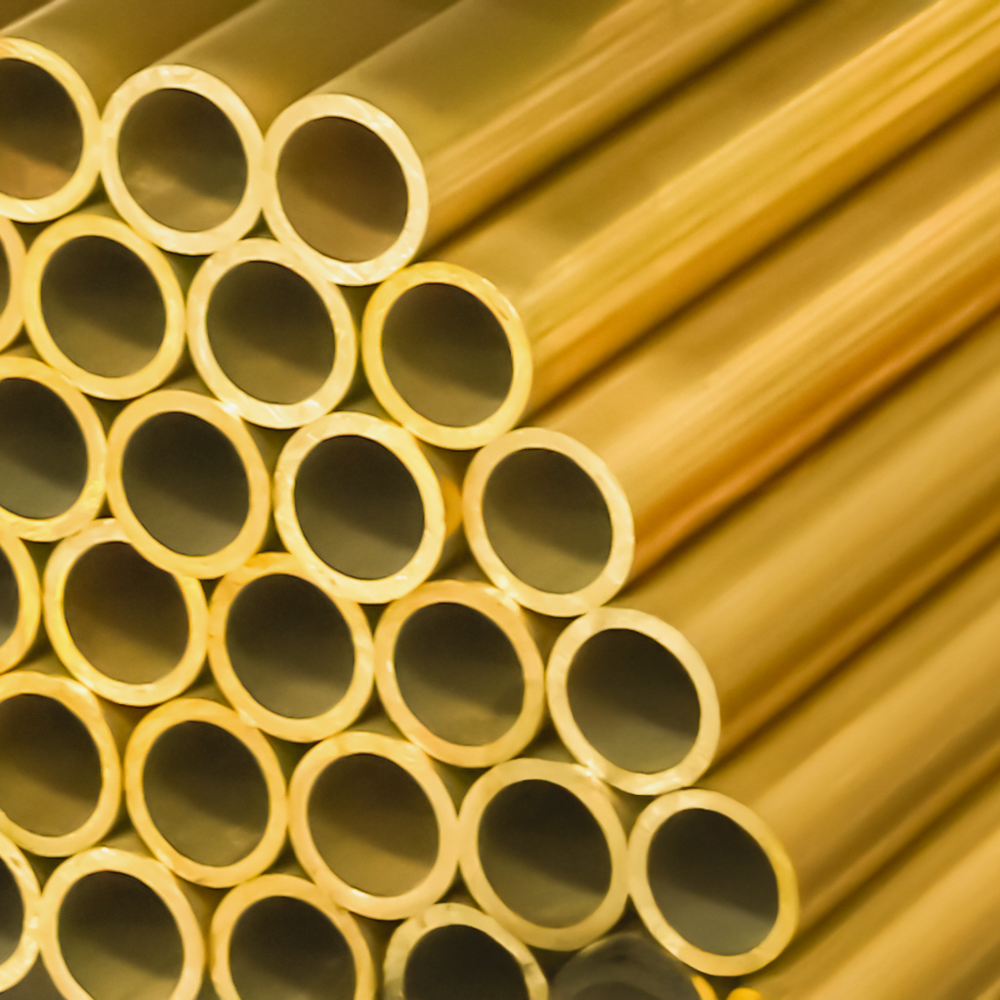
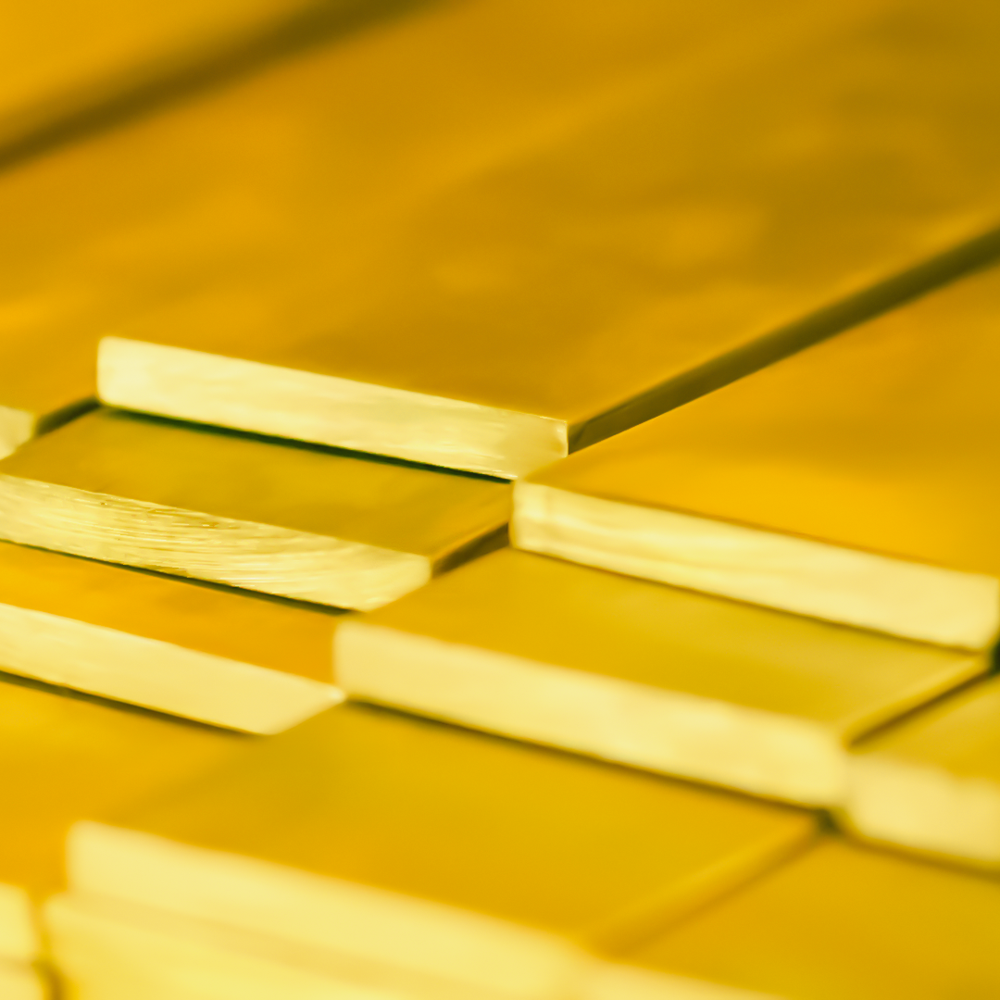
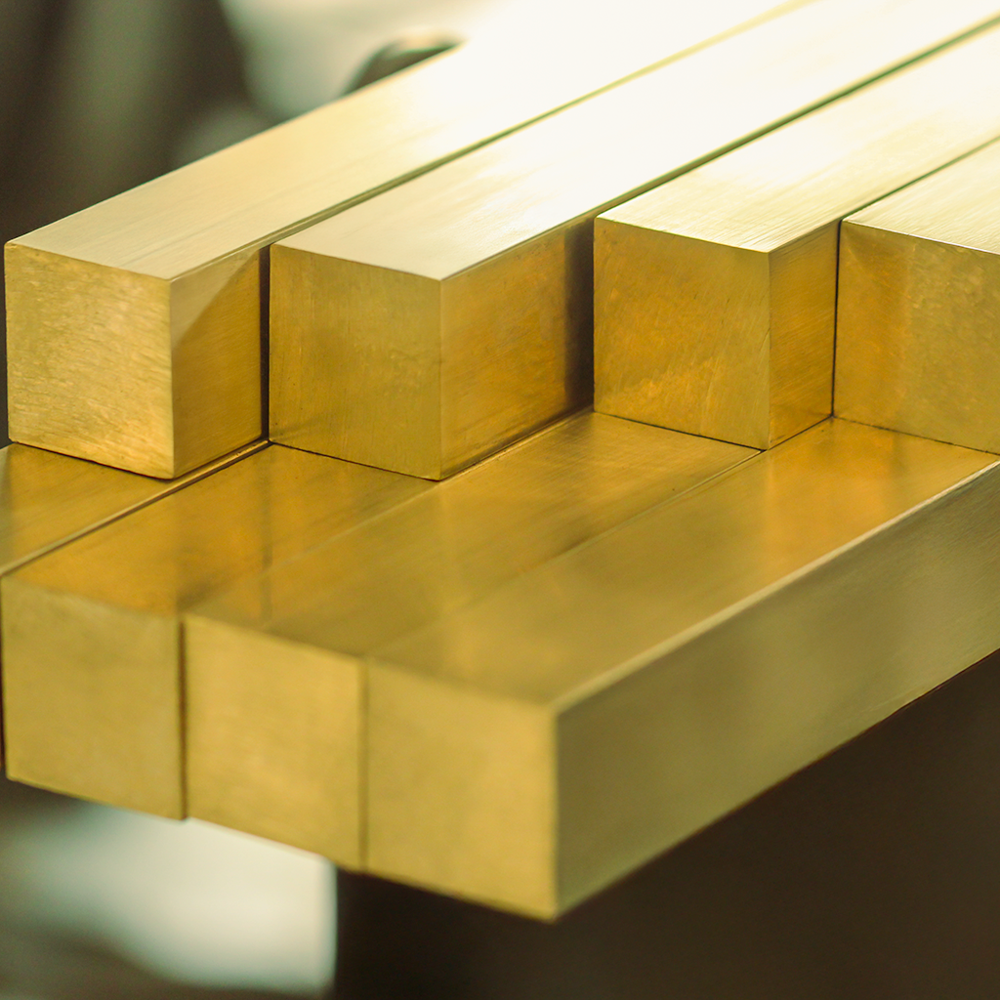
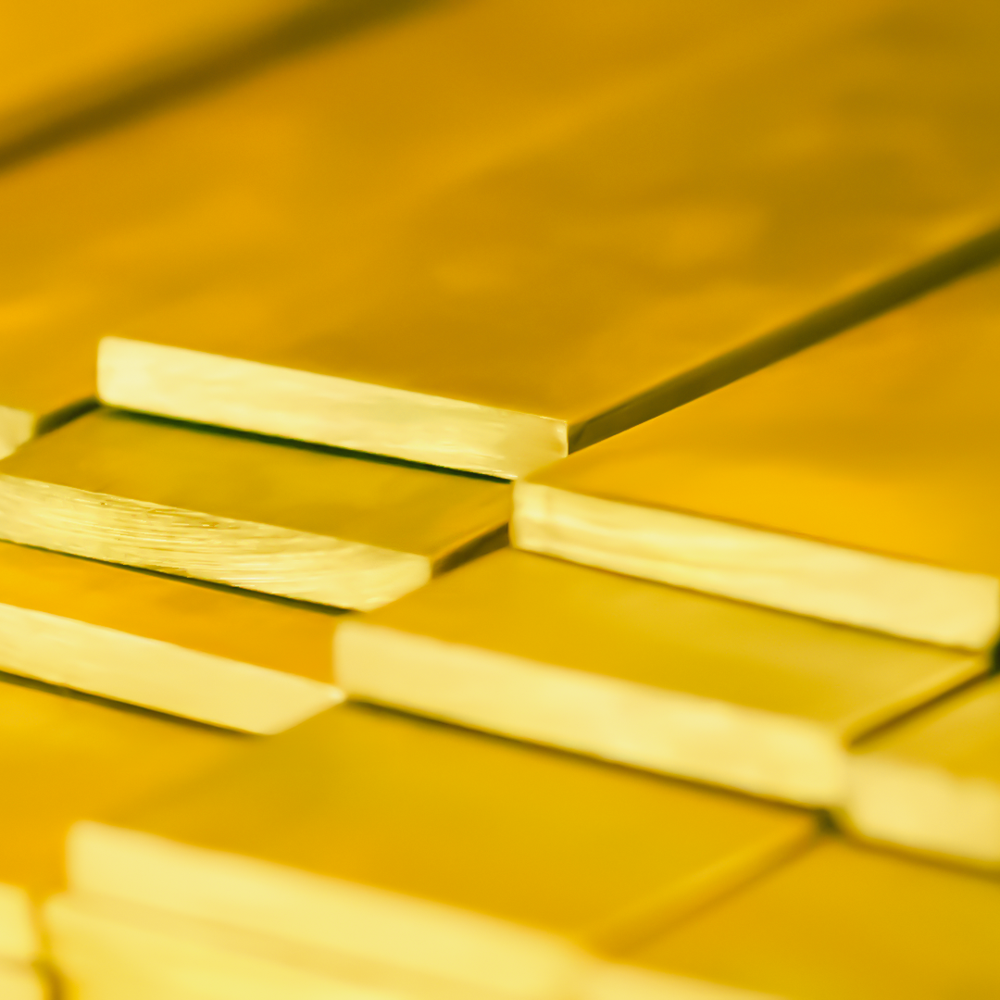
A: C3712 Leaded Brass is manufactured using precise metallurgical processes, allowing it to be formed into rods, bars, and custom parts. Its notable lead content enhances machinability, making it ideal for turning, milling, and other manufacturing techniques used in electrical and automotive industries.
Q: What are the main benefits of using C3712 Leaded Brass in manufacturing?
A: The primary advantages include superior machinability, consistent performance, good mechanical strength, a pleasing golden-yellow color, and excellent corrosion resistance. Its adaptable size, shape, and density make it perfect for components that demand tight tolerances and reliability.
Q: When should C3712 Leaded Brass be chosen over other brass grades?
A: C3712 is best selected when high precision machining and fine finish are essential, especially in the production of intricate turned components or fasteners. Its leaded composition particularly benefits applications demanding low-friction and enhanced workability.
Q: Where is C3712 Leaded Brass commonly used?
A: This alloy is prevalent in industries such as electrical engineering, automotive manufacturing, and industrial hardware. It is extensively used for making turned components, electrical connectors, fasteners, and machined parts that require both durability and machinability.
Q: What is the typical chemical composition of C3712 Leaded Brass?
A: C3712 Leaded Brass comprises 61-63% copper (Cu), 1.8-2.8% lead (Pb), with zinc (Zn) as the balance, and controlled levels of iron (max 0.2%) and tin (max 0.3%). This balanced composition provides strength, workability, and resistance to corrosion.
Q: How can the size and weight of C3712 Leaded Brass products be customized?
A: Producers and suppliers offer C3712 in various sizes, ranging from 2 mm to 150 mm and weights according to customer needs. Dimensional customization is possible in length, width, and height, allowing engineers to acquire parts that fit their specific design requirements.





 English
 Spanish
 French
 German
 Italian
 Chinese (Simplified)
 Japanese
 Korean
 Arabic
 Portuguese
 Send Inquiry
 Get Latest Price

